

How to Make the Most of Your Small Kitchen
Updated: 4/1/2026
What Makes a Small Kitchen Feel Bigger and More Functional?
Multiple strategies can help make your small kitchen feel bigger and more functional. Simple changes like decluttering your countertops and shelves, choosing multi-functional items, and getting creative with storage can dramatically improve how your space looks and works.
The key is to make every inch of your kitchen serve a purpose. When your space is organized and intentional, even a small kitchen can feel open, efficient, and enjoyable to use. Keep reading to explore practical tips and ideas for optimizing your kitchen space.
What Design Tricks Make a Small Kitchen Look Bigger?
Color
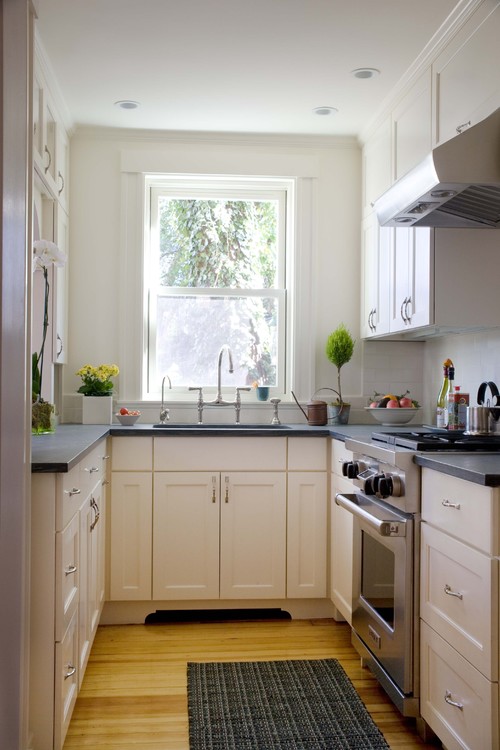
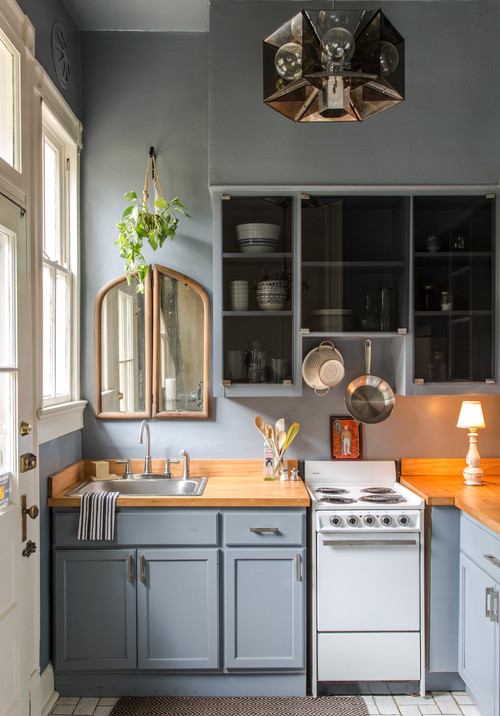
Color plays a powerful role in creating the illusion of space. A good rule of thumb for small kitchens is to keep the design light from the countertop up. Light-colored walls and upper cabinetry help reflect light and create a bright, airy feel — making the space appear larger than it actually is.
That said, contrast can still work in your favor. Incorporating darker tones on lower cabinets can ground the space and draw the eye upward toward lighter elements, enhancing the overall sense of height and openness.
Lighting
Lighting is one of the most effective ways to visually expand a small kitchen. Natural light should always be maximized — keep window coverings minimal and allow as much daylight in as possible.
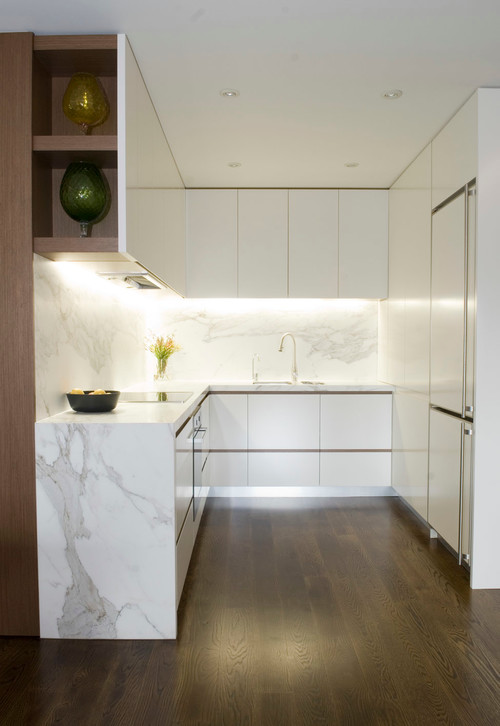
When natural light is limited, layered lighting becomes essential. Under-cabinet lighting brightens countertops and backsplashes, reducing shadows and visually opening up the space. Pendant lights over an island or peninsula can also help distribute light evenly across the room.
Try to eliminate dark corners whenever possible. Uplighting or arched lighting that directs light toward the ceiling can make ceilings feel higher and the room feel more spacious.
Reflective Surfaces
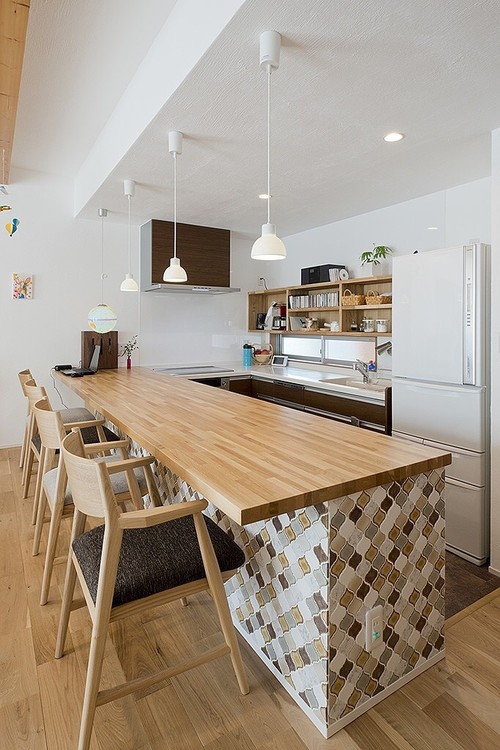
Reflective surfaces help bounce light throughout the kitchen, reducing shadows and adding depth. This creates the illusion of a larger space without changing the layout.
Incorporating elements like glossy backsplashes, polished countertops, or even mirrors can make a noticeable difference. Even small additions — like metallic finishes or glass accents — can help enhance brightness and openness.
How Do You Maximize Storage in a Small Kitchen?
Cabinets
In a small kitchen, visual height matters. Instead of leaving empty space above your cabinets, extend cabinetry all the way to the ceiling if possible. This not only increases storage but also makes the ceilings feel taller.
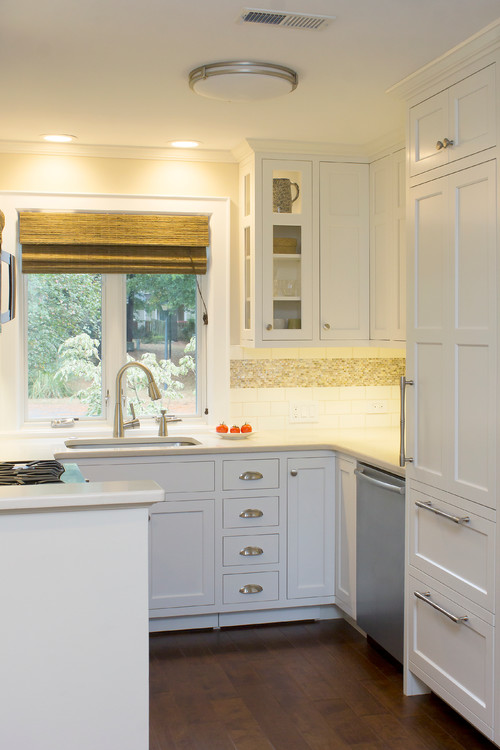
If replacing cabinets isn’t an option, maximize what you already have. Store less frequently used items on upper shelves and keep everyday essentials within easy reach.
Adding stackable shelving or cabinet organizers can significantly increase usable space while keeping everything more organized and accessible.
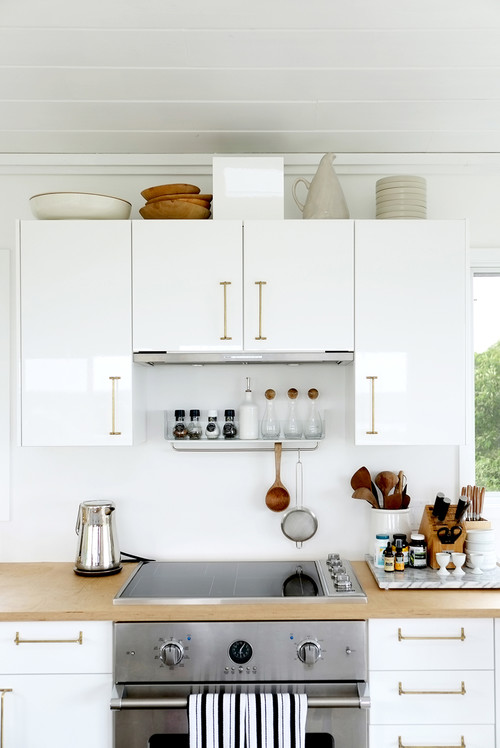
Open Shelving
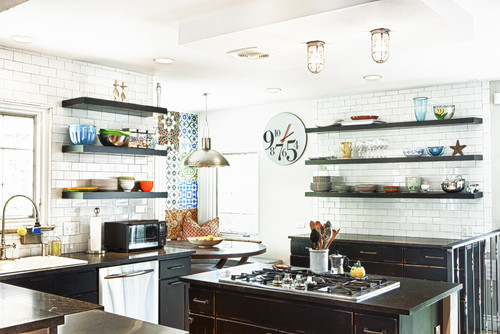
Open shelving can help eliminate the “boxed-in” feeling that upper cabinets sometimes create. By removing bulky cabinetry and replacing it with shelves, your kitchen can feel more open and less confined.
To keep things looking clean and intentional, use baskets, jars, or matching containers for storage. You can also get creative with placement — corner shelves or staggered shelving can add both function and visual interest.
Vertical Storage
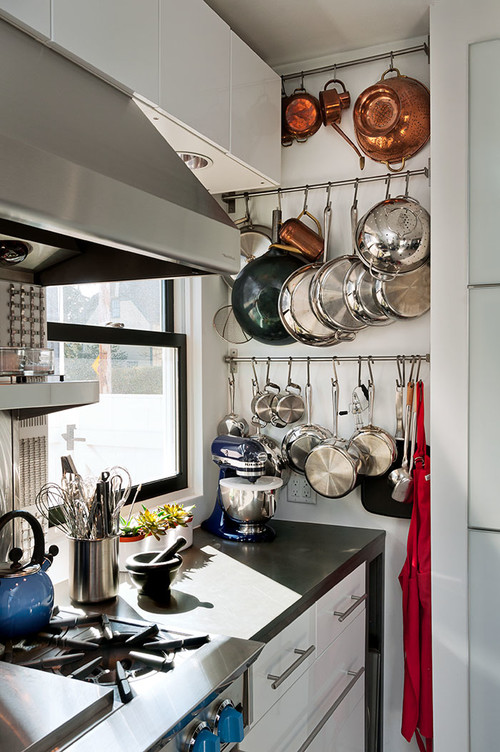
Don’t limit yourself to horizontal storage — vertical space is one of the most underutilized areas in small kitchens.
Consider:
- Hanging pot racks
- Pegboards for utensils
- Mug hooks or rail systems
- Wall-mounted storage
Using vertical space effectively keeps your counters clear and makes your kitchen more functional overall.
The Island (or Alternative Options)
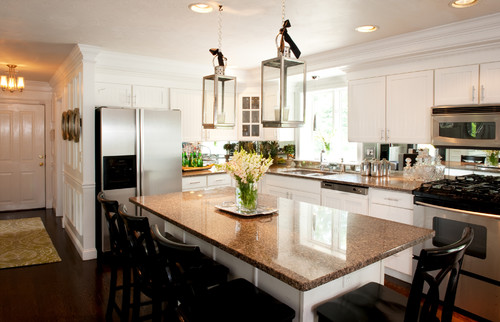
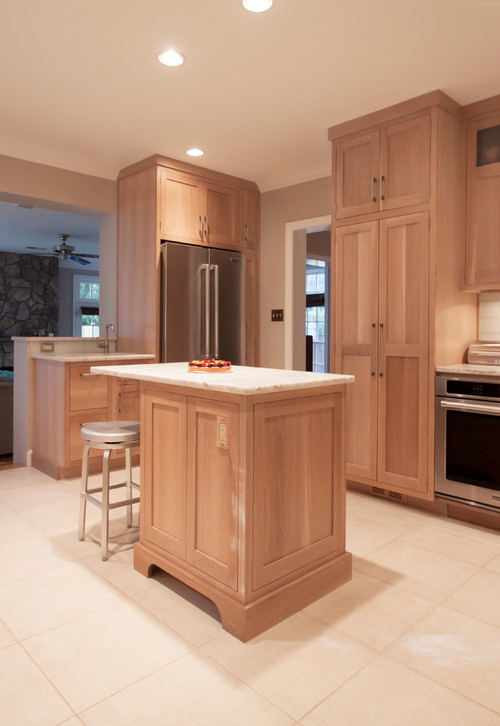
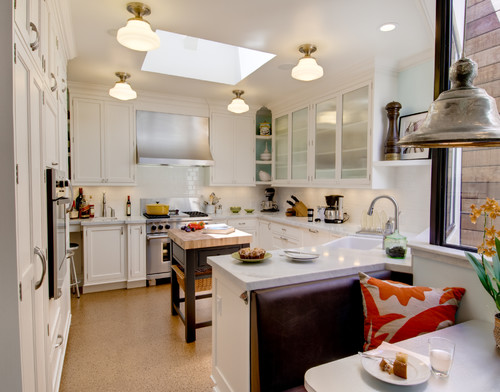
Adding an island to a small kitchen may seem counterintuitive, but when done correctly, it can actually improve both storage and functionality.
A well-sized island can provide:
- Additional storage
- Extra prep space
- A focal point for the kitchen
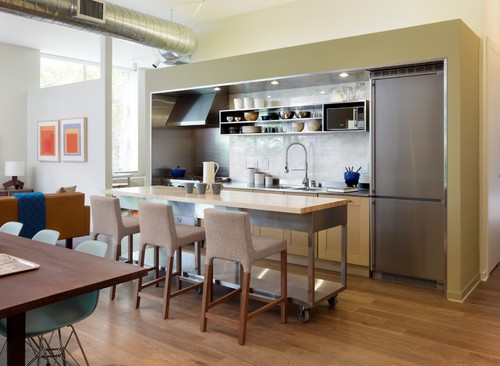
If space is tight, consider a mobile island with wheels or a slim side cart. These options give you flexibility while still adding storage without overcrowding your layout.
Appliances
Appliance size plays a major role in how spacious your kitchen feels. Compact or panel-ready appliances can help reduce visual clutter and free up valuable space.
Slim refrigerators, smaller ranges, and integrated appliances maintain functionality while creating a more streamlined look.
How Can You Add More Counter Space Without Making Your Kitchen Feel Crowded?
Floating Countertops
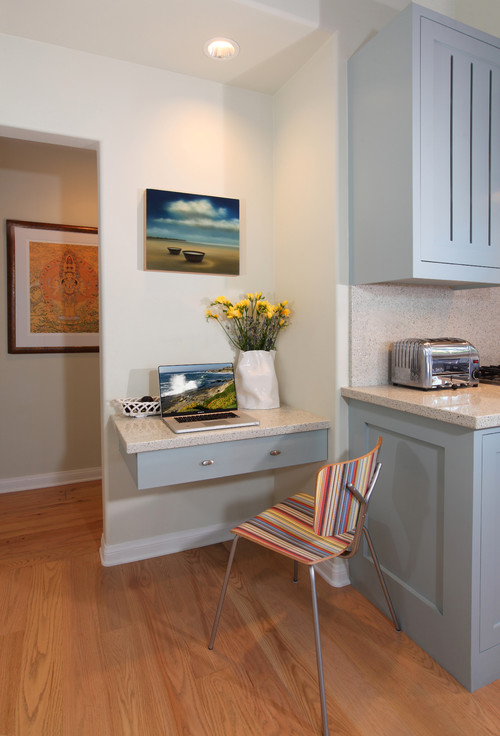
If you have an empty wall or an underutilized space, consider installing a floating countertop. This can serve as a dining area, workspace, or additional prep surface without taking up valuable floor space.
Using hidden countertop support brackets allows you to create a clean, modern look without bulky corbels or visible supports. This keeps the space feeling open while still providing the strength needed for everyday use.
Floating counters also work well with overhang seating, which can eliminate the need for a separate dining table — a major space-saver in smaller kitchens.
Final Thoughts: Small Kitchen Design That Works for You
Designing a small kitchen isn’t about limitations — it’s about making smarter choices. By focusing on light, layout, storage, and multi-functional features, you can create a space that feels both larger and more efficient.
In 2026, small kitchens are being designed to work harder than ever. From floating countertops to creative storage solutions, the goal is to maximize every inch without sacrificing style.
With thoughtful planning and the right design elements, even the smallest kitchen can become one of the most functional and enjoyable spaces in your home.